What is Reverse Logistics? Examples, and Why it's Vital in Today's Supply Chain
In today's competitive logistics landscape, success is measured not only by how quickly a product reaches the customer but also by how efficiently it moves back. This backward flow of goods is known as Reverse logistics, and it is a crucial component of a cost-efficient and sustainable operation.
As a critical part of the overall supply chain, an optimized reverse process is essential for enhancing brand reputation, boosting customer satisfaction. For businesses focused on freight efficiency and maximizing profitability, understanding the mechanics of reverse logistics is the first step toward optimization.
What is Reverse Logistics?
What is reverse logistics? This term refers to the process of managing the flow of products, materials, and information from the point of consumption back to the point of origin for the purpose of recapturing value or proper disposal.
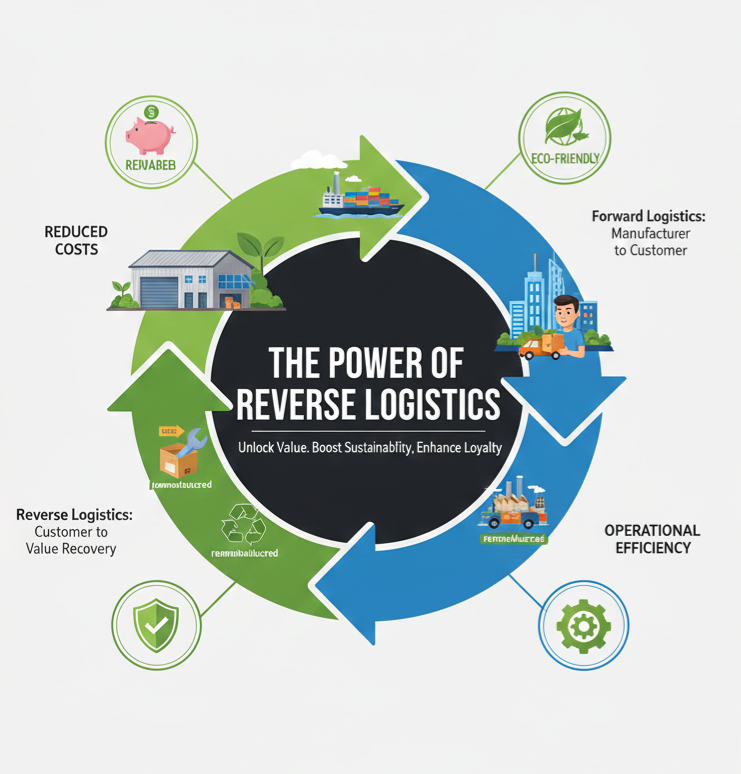
It is the direct opposite of the forward supply chain, where goods move from the manufacturer to the end-user.
The reverse logistics process begins when:
- A customer initiates a product return (e.g., due to damage, or dissatisfaction).
- A defective item needs to be sent back for repair or replacement.
- A company seeks to recycle packaging or used materials.
- A product reaches its end-of-life and requires responsible disposal.
The primary goal is always to maximize recovered value, minimize waste, and improve the overall lifecycle of a product.
Reverse Logistics in the Supply Chain:
The importance of reverse logistics in supply chain management has never been greater. With the rapid expansion of e-commerce, consumers expect fast, and hassle-free returns. Simultaneously, global environmental goals and increasing regulatory requirements mandate that companies handle waste and defective materials responsibly. A well-designed reverse logistics system provides a strategic advantage by:
- Cutting Operational Costs: Minimizing expenses related to transportation, warehousing, and disposal.
- Reducing Environmental Impact: Facilitating recycling, refurbishing, and responsible disposal, which supports sustainability goals.
- Boosting Customer Loyalty: Faster, seamless return experiences are key drivers of repeat business.
- Improving Asset Recovery: Creating opportunities to refurbish, resell, or reuse valuable components.
Common Reverse Logistics Examples
The scope of reverse logistics examples covers a wide range of return-related and end-of-life activities. These processes require specialized coordination, freight management, and quality control:
- Product Returns Management: The most common example, involving the intake, inspection, sorting, and redirecting of items returned by customers in e-commerce and retail.
- Product Repair & Refurbishment: Taking back damaged products, repairing them, and preparing them for resale.
- Recycling & Waste Management: Collecting materials such as electronics, batteries, or specialized packaging to be processed and reused, supporting environmental sustainability.
- Remanufacturing: Disassembling old or used high-value products (common in automotive or heavy machinery), cleaning and repairing components, and rebuilding them to "like-new" specifications.
- Asset Recovery: Reclaiming valuable parts, components, or materials from returned or damaged goods to reuse them in the production of new items.
- End-of-Life Disposal: The compliant and safe disposal of products that cannot be repaired or recycled, adhering to strict environmental and governmental regulations (especially critical for pharmaceuticals and hazardous goods).
Optimizing Reverse Logistics for Industry Use
Every major sector relies on tailored reverse logistics in supply chain operations:
Reverse Logistics Application
E-Commerce & Retail: Managing high-volume customer returns, exchanges, quality checks, and repackaging for immediate resale.
Manufacturing: Handling product recalls, reclaiming spare parts, and repairing machinery under warranty.
Automotive: Core return programs for engines, tires, and metal parts through comprehensive remanufacturing.
Pharmaceuticals: Safely collecting and disposing of expired or recalled medicines and medical supplies, ensuring strict compliance.
Electronics & IT: Facilitating the collection and certified disposal or refurbishment of old devices, batteries, and hardware.
Conclusion: Turning Returns into Revenue
Reverse logistics is no longer a heavy cost center; it is a strategic business advantage. While challenges such as managing unpredictable return volumes and ensuring quality control persist, a strong partnership with a dedicated freight and logistics provider is key.
Everfast Freight specializes in transforming your returns flow into an efficient, profit-generating, and environmentally conscious operation. Contact us today to develop and implement an optimized reverse logistics in supply chain strategy that boosts your brand value and operational efficiency.