
What is a bill of lading and why does it matter?
Where goods change hands across oceans and borders, one piece of paper holds more power than almost any other: the Bill of Lading (BOL).
Whether you are a seasoned exporter or a business owner receiving your first international shipment, understanding the BOL is non-negotiable. It is the legal backbone of the shipping industry.
What Exactly is a Bill of Lading?
At its simplest, a Bill of Lading is a legal document issued by a carrier (a trucking company, airline, or shipping line) to a shipper that details the type, quantity, and destination of the goods being carried.
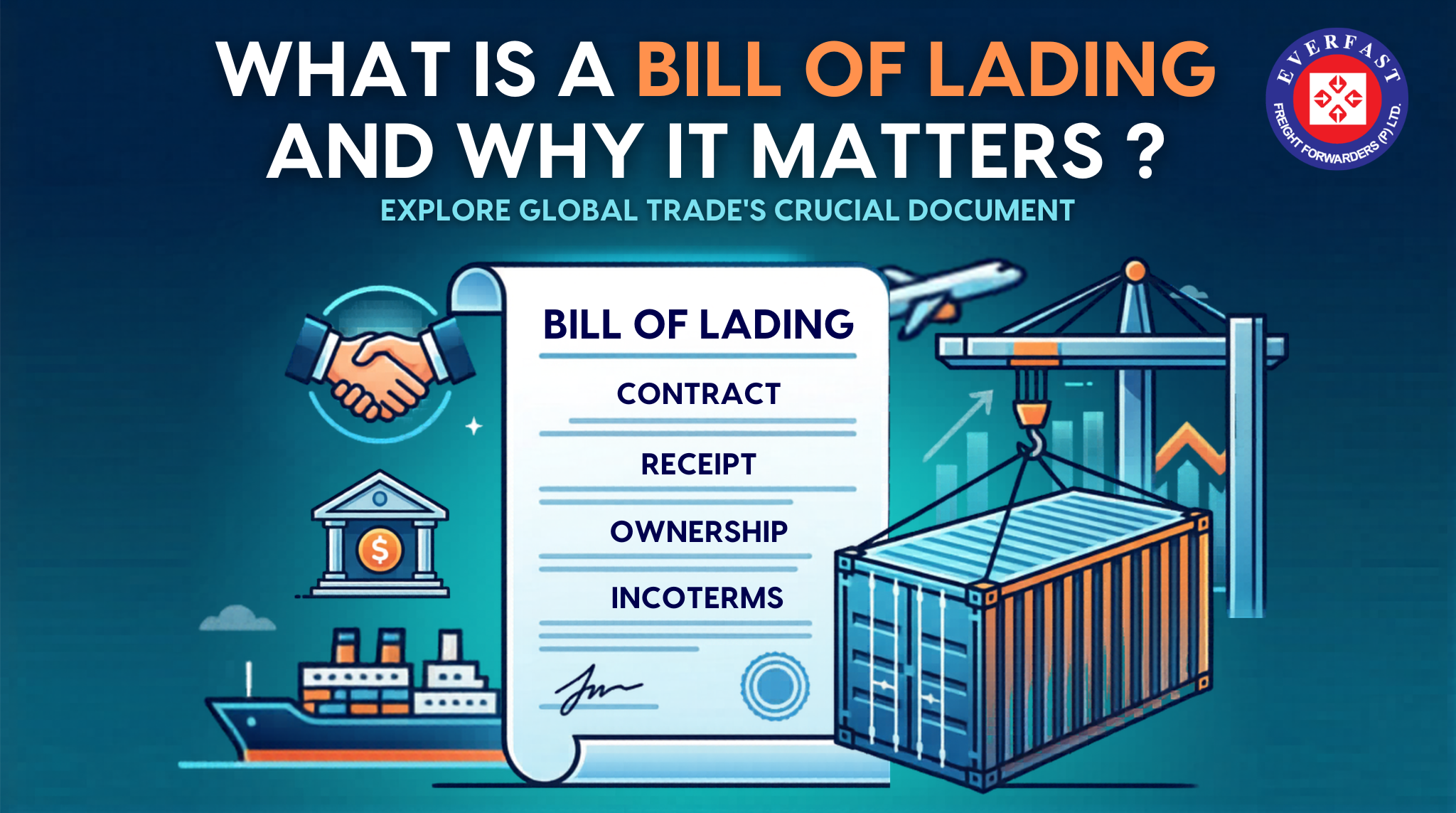
Think of it as a multipurpose tool. It isn't just a receipt; it serves three critical legal functions:
1.Evidence of Contract of Carriage: It outlines the terms and conditions under which the carrier agrees to transport the goods.
2.Receipt of Goods: It proves that the carrier has received the cargo in a specific condition.
3.Document of Title: In many cases, whoever holds the original BOL "owns" the goods. This allows the cargo to be traded while it is still in transit.
Why the Bill of Lading Matters
Without a correctly executed BOL, the entire supply chain can grind to a halt. Here is why this document is so vital:
1. Legal Protection and Accountability
The BOL acts as a binding contract. If the goods arrive damaged or the quantity doesn't match what was sent, the BOL is the primary evidence used to file a claim. It clearly defines who is responsible at every stage of the journey.
2. Ensuring You Get Paid
For international trade, this document is a key component of "Letters of Credit." Banks use the document to verify that goods have been shipped before releasing payments to the seller.
3. Smooth Customs Clearance
Customs authorities require the BOL to verify the nature of the cargo. Discrepancies between the physical goods and the description on the BOL can lead to heavy fines, inspections, and costly port delays.
4. Preventing Theft and Fraud
The Bill Of Lading acts as a title to the goods, it ensures that the carrier only releases the shipment to the rightful owner (the "consignee").
Key Details Found on a BOL
To be valid and useful, a Bill of Lading must be accurate. Standard details include:
- LC Reference: The unique identification number assigned by the issuing bank.
- Origin of shipment/ POL: The Port of Loading where the goods are put on the vessel.
- Destination of shipment/ POD: The Port of Discharge where the goods will be unloaded.
- Incoterms: The 3-letter code + named place defining risk and cost.
- Shipper & Consignee: Full names and addresses of the sender and receiver.
- Purchase Orders/Reference Numbers: Crucial for tracking and invoicing.
- Description of Goods: Weight, dimensions, packaging type (crates, pallets, etc.), and material type.
- Freight Class: Used to determine the shipping rate.
- Special Instructions: Notes on hazardous materials or temperature control.
The Different Types of BOLs
Depending on the shipment, you might encounter different versions:
- Straight Bill of Lading: Used when goods are paid for in full and delivered directly to a specific customer. It is non-negotiable.
- Order Bill of Lading: This version is negotiable. The goods can be bought and sold while in transit by endorsing the document.
- Clean Bill of Lading: Issued by the carrier when the goods are received in good condition without any apparent damage.
Final Thoughts
The Bill of Lading might seem like just another piece of paperwork, but in the world of freight forwarding, it is the ultimate safeguard. Ensuring its accuracy protects your revenue, your reputation, and your cargo.